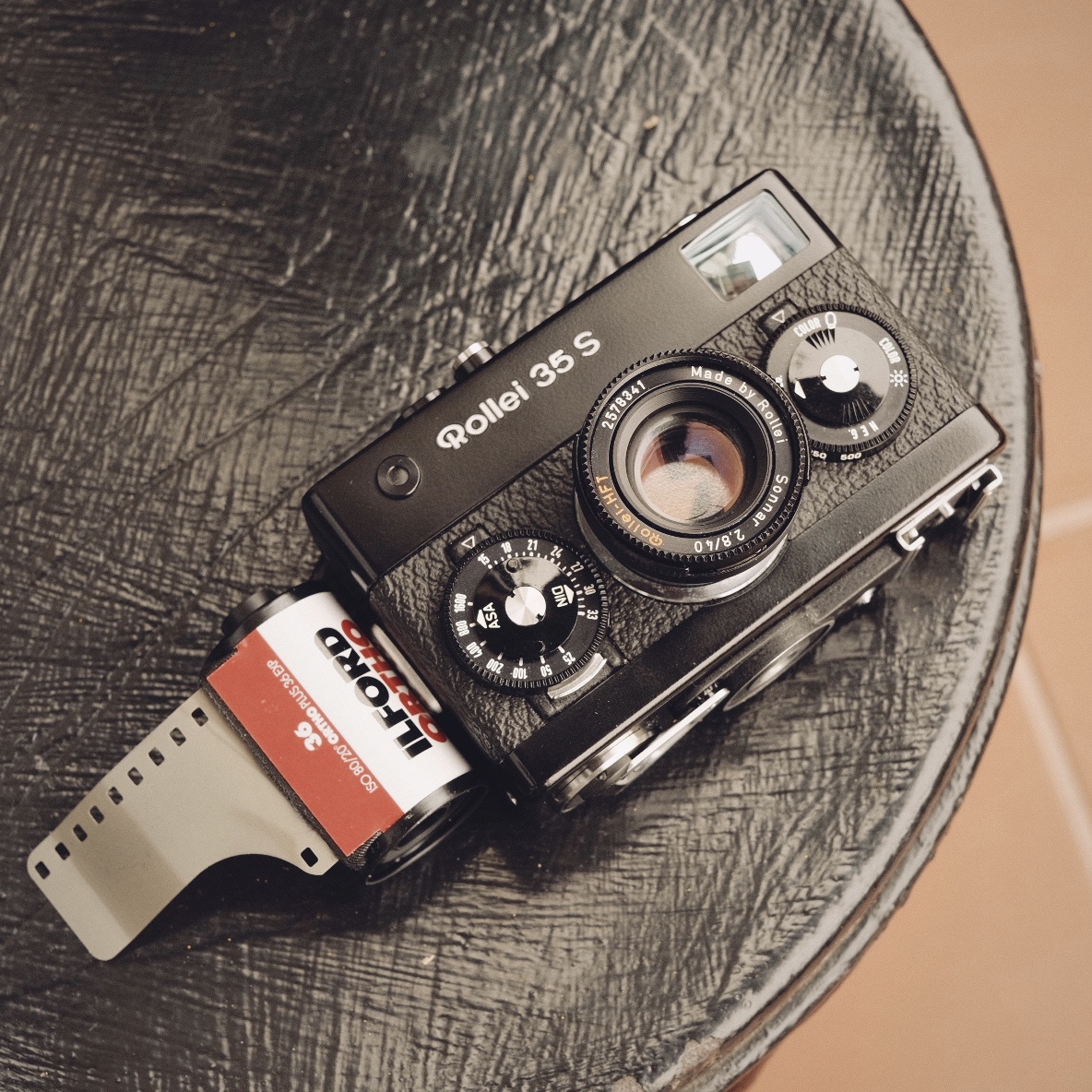
The Rollei 35 S is my favorite compact film camera.
I am not a fan of treating gear as sacred. A camera is a tool, and it should be comfortable, discreet, and reliable. The Rollei 35 is exactly that kind of tool for an amateur photographer.
How it was created
Photographic equipment made from the mid-1960s to the late 1970s interests me the most.
Back then people did not yet think in terms of mass consumption, manufacturing optimization, and cost cutting, all the things that arrived in the 1980s. Camera gear still had a lot in common with scientific instruments and military technology of that era: precision and a huge safety margin.
Cameras were complex enough to offer many functions, but simple enough to be repaired at home. That is why most of them have survived perfectly well to this day, even after 50 or 60 years.
The Rollei 35 was designed by German engineer Heinz Waaske. In 1964 he offered the design to Leica and Kodak, but neither company was interested. Later Heinz got a job at Rollei, where the camera finally entered production.
If you want to read more about the history of this camera, I recommend Sergey Korol’s article about the Rollei 35.
Tiny size
The camera is incredibly compact. In size it can be compared to three rolls of 35mm film.
That compactness was achieved by changing the usual placement of the controls.
Control layout
The Rollei 35 is unusual in many ways: its controls, cocking mechanism, film rewind, and focusing.
It may seem as if, while designing the prototype, someone covered the parts in glue and tossed them into a lottery drum so that they would end up in the most unexpected places.
The Rollei 35’s controls were unusual even by the standards of its own time:
- shutter speed and aperture are controlled by two dials on the front panel; film sensitivity is set there too
- film rewind and shutter cocking are designed for the left hand
- the lens is collapsible
- the flash connector and frame counter are located on the bottom
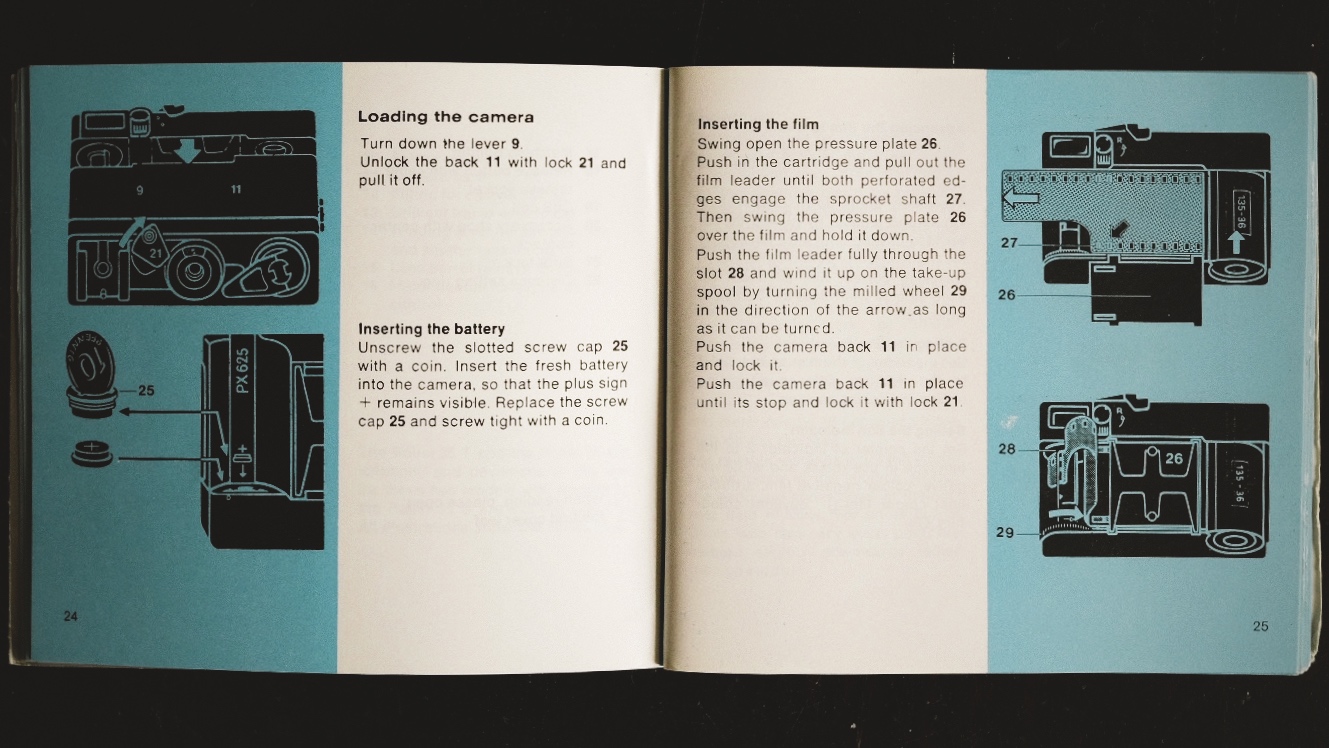
The shutter is a leaf shutter. That means that inside the lens, behind the aperture blades, there is another set of blades that open for a certain amount of time to let light reach the film.
The shutter sound is unusual too: a short click, without rustling or slapping. This kind of “ninja shutter” helps you stay unnoticed, which matters a lot in street photography.
Fully manual control
The camera has no automatic modes. That means before taking a shot, the photographer has to set the shooting parameters manually:
Shutter speed
This parameter defines how long light passes through the lens onto the film. Short shutter speeds are measured in fractions of a second, for example 1/500 or 1/30.
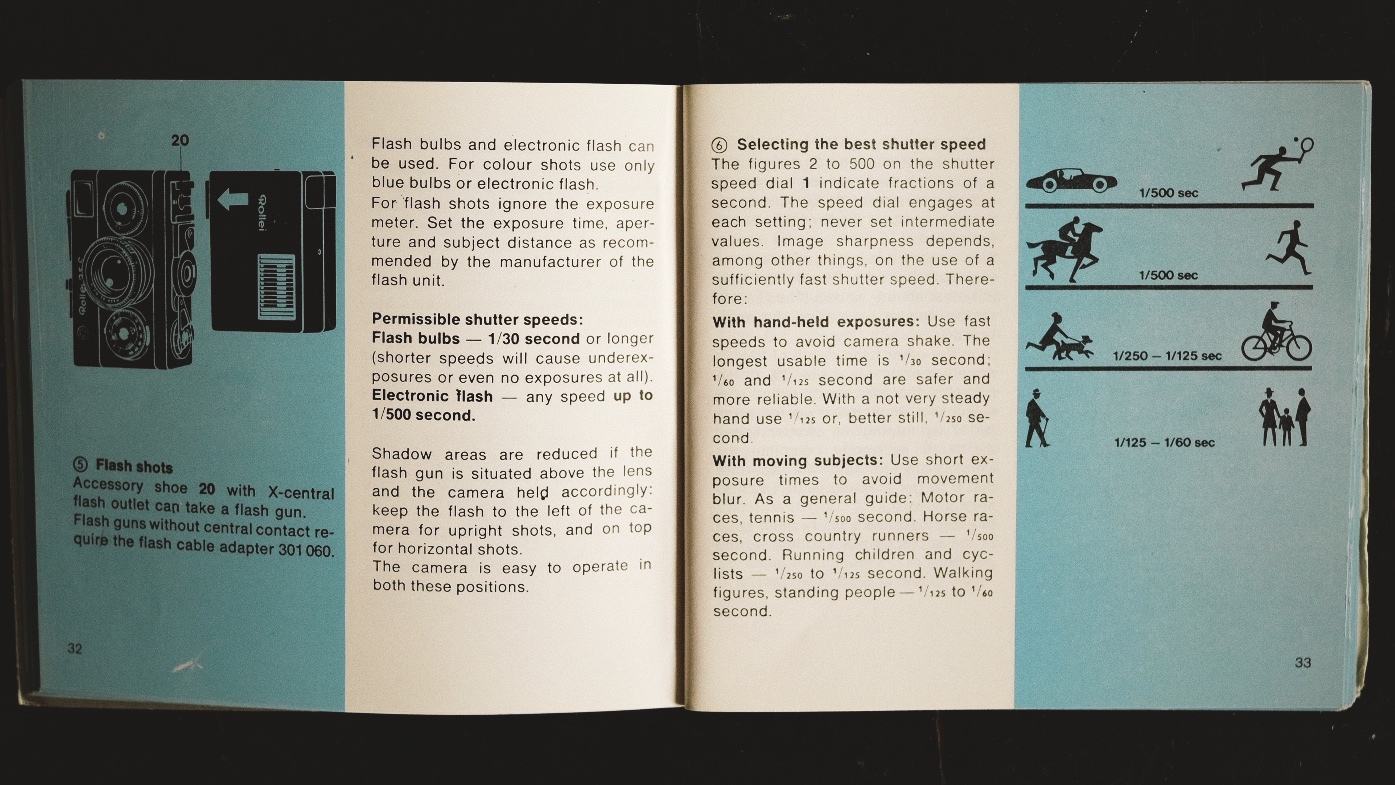
Short shutter speeds are good for moving subjects. The longer the exposure, the more blurred the photo may become.
Aperture
Aperture is a mechanism that regulates how much light passes through the lens, much like a faucet controls the flow of water.
A higher aperture value means a smaller opening, which gives you greater depth of field and lets less light reach the film.
To understand how aperture works, it is enough to squint your eyes hard: the image becomes a bit darker and a bit sharper.
Distance to the subject
The camera uses scale focusing. That means you estimate the distance to the subject by eye and, by turning the focus ring on the lens, set one of the marks: 0.9, 2, 3, 6 meters, or infinity.
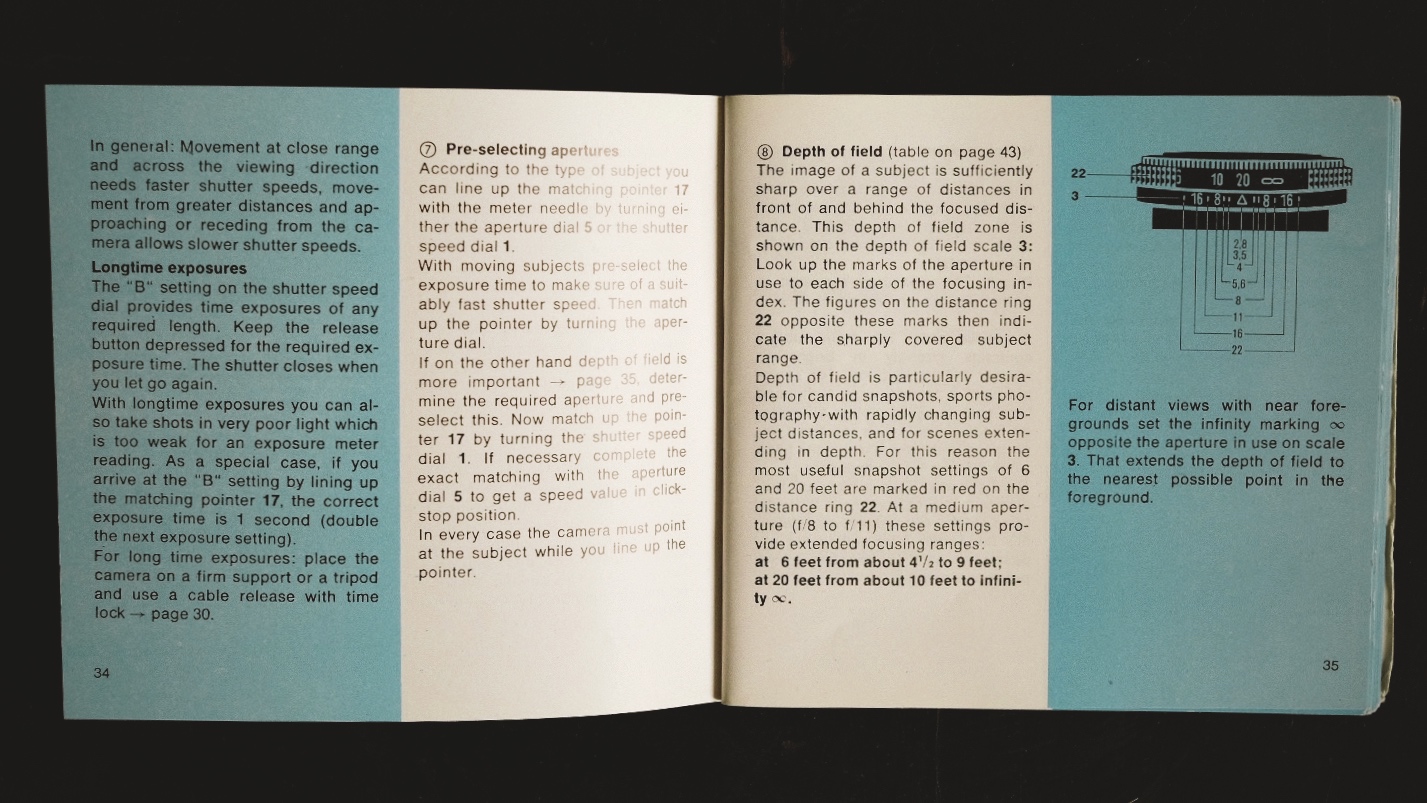
Because the distance has to be judged by eye, over time your internal rangefinder seems to calibrate itself and can pleasantly surprise you even in ordinary everyday situations.
Film sensitivity (ISO)
Different film stocks need different amounts of light to produce a properly exposed frame, one without overly dark or overly bright areas. For example, ISO 200 film needs twice as much light to produce the same exposure as ISO 400 film.
The sensitivity setting is chosen when you load the roll and affects only the meter’s suggestions.
Built-in light meter
A light meter is a simple electronic device that shows two things:
- how bright it is in front of the lens
- whether the current camera settings are suitable for that light
It is remarkable that there was room for a light meter in such a tiny camera.
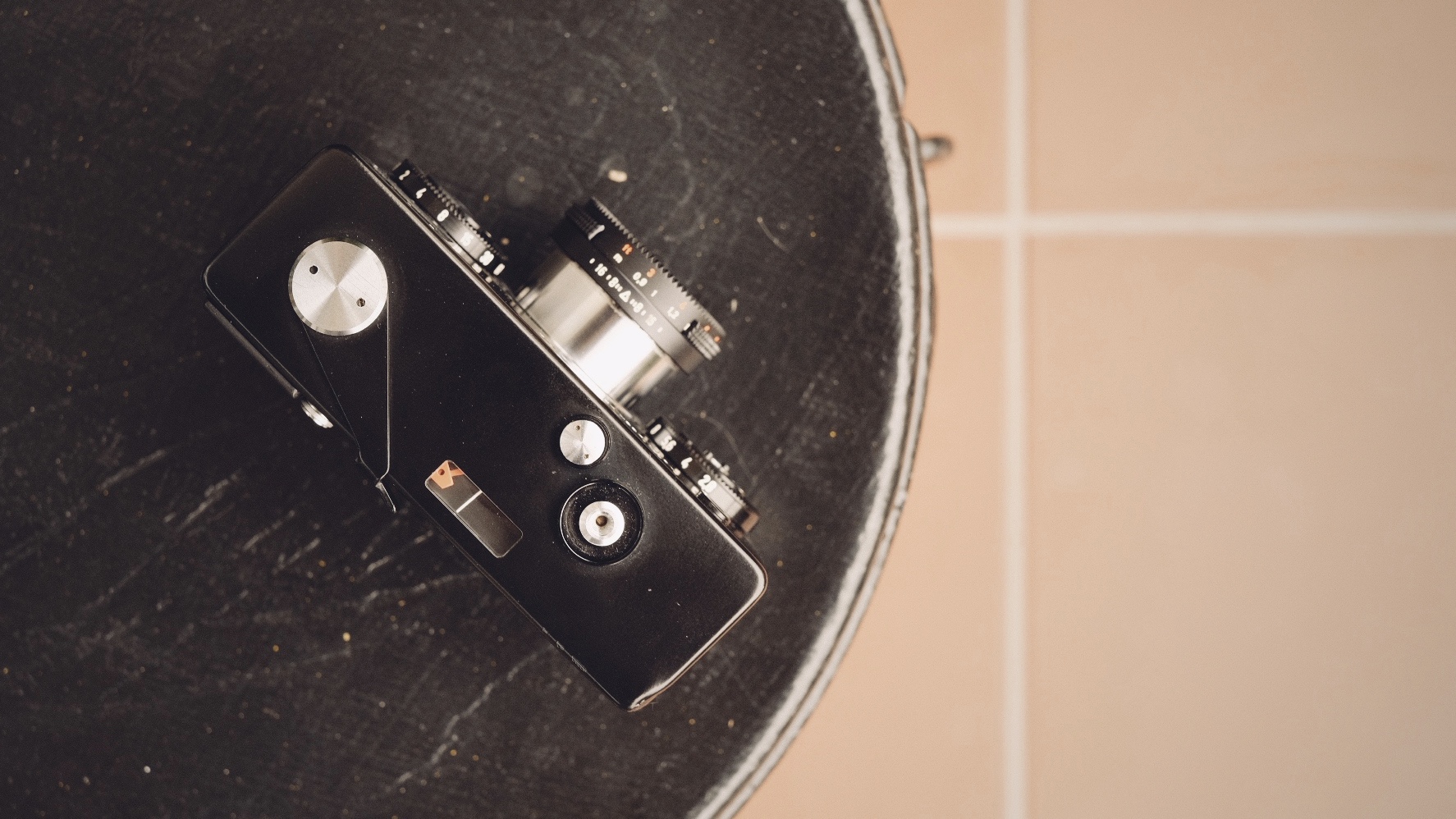
With the light meter’s hints, you can make a photo brighter, darker, or normally exposed.
Versions
Several versions of the classic Rollei 35 were produced:
- Rollei 35 T
- Rollei 35 S
- Rollei 35 TE
- Rollei 35 SE
The main differences between them are the lens and the light meter. The T/TE models have a Tessar 40mm f3.5 lens, while the S/SE models use a Sonnar 40mm f2.8. Both lenses were produced under Carl Zeiss license, and the Sonnar also has Rollei’s HFT coating.
The Tessar seemed a bit rough to me and better suited to black-and-white photography, while the Sonnar manages to be soft and sharp at the same time.
The TE/SE models have an updated light meter that turned out to be less picky about the voltage of modern batteries.
Who is this camera for?
The Rollei 35 is easy to carry around, which makes it a suitable travel camera. It feels solid, though of course you should not throw it around.
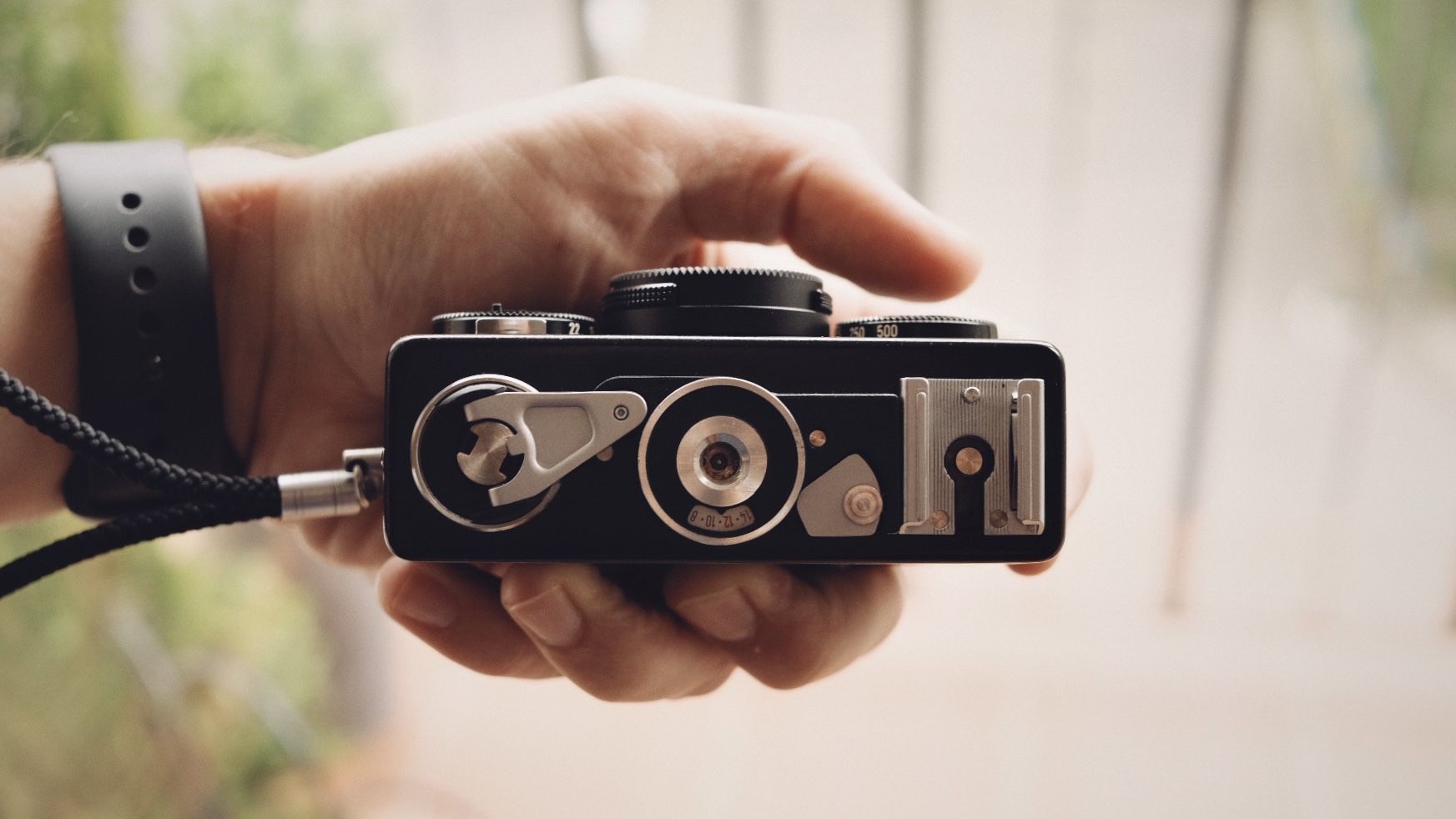
Thanks to its compact size and quiet shutter, the Rollei 35 is one of the best film cameras for street photography.
It is a camera you can use to learn photography and understand the technical side of film shooting.
If Rollei had added a rangefinder, it could have become the best compact 35mm camera of all time. But then it would probably have cost as much as a Leica M6.
Your favorite photo gear does not have to be the most expensive or the rarest. What matters is that it complements the photographer, inspires you to shoot, and does not let you down when it counts.
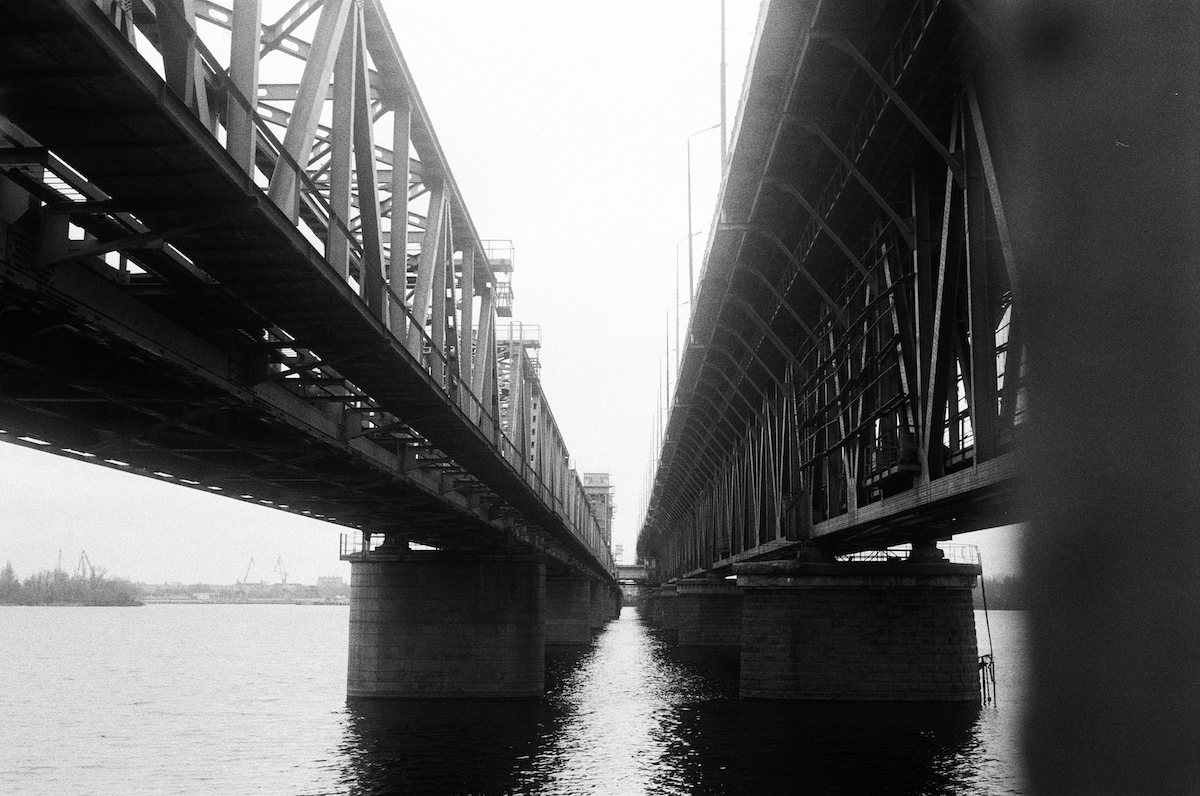
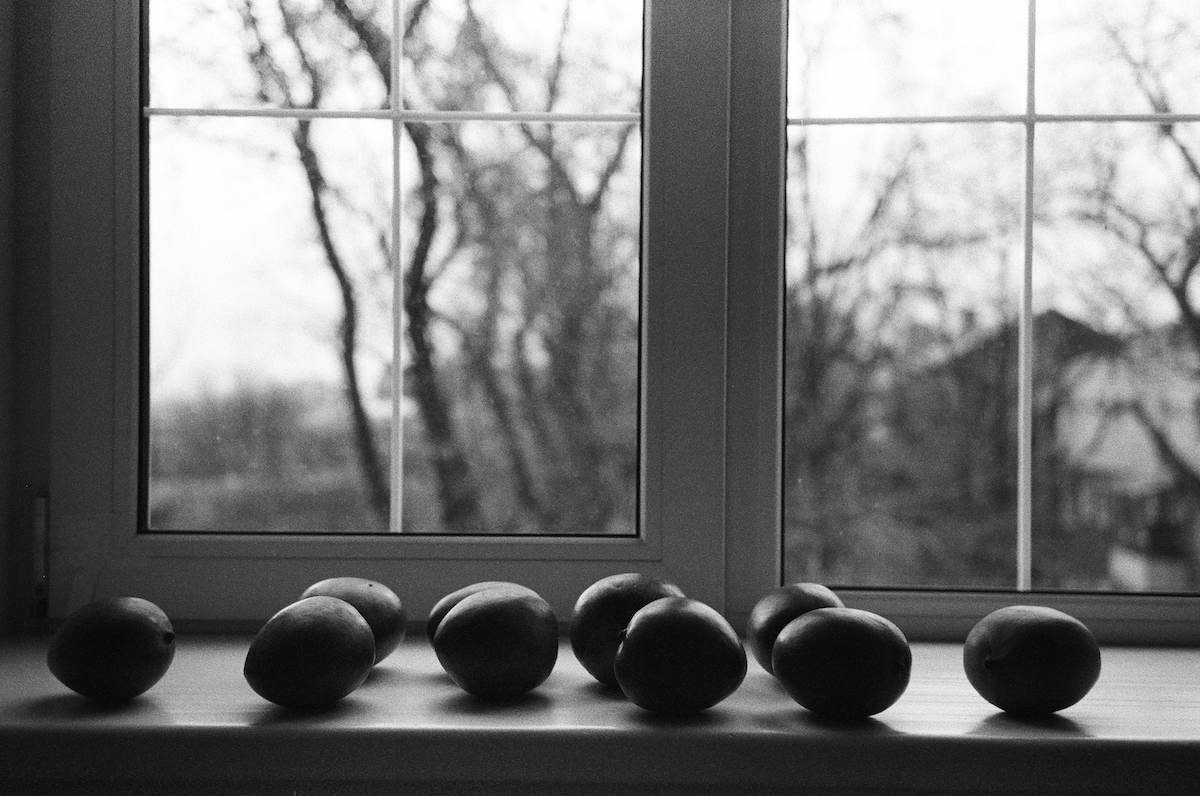
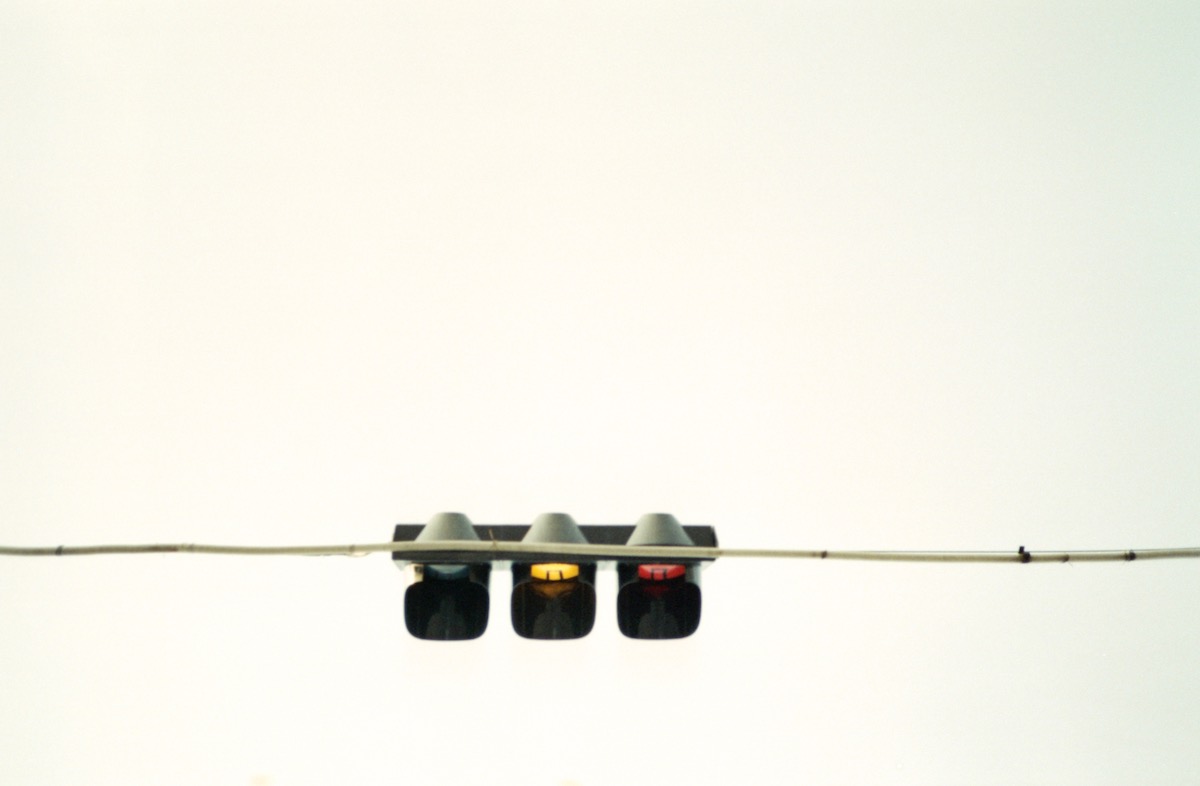
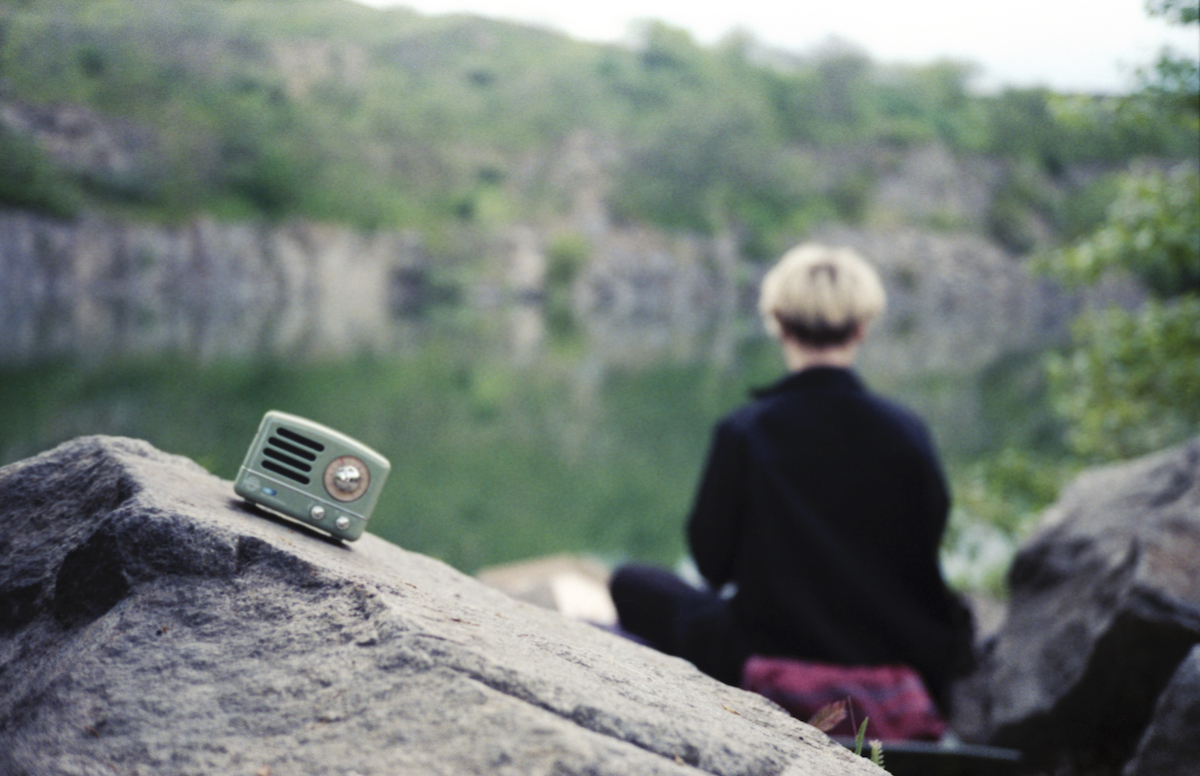
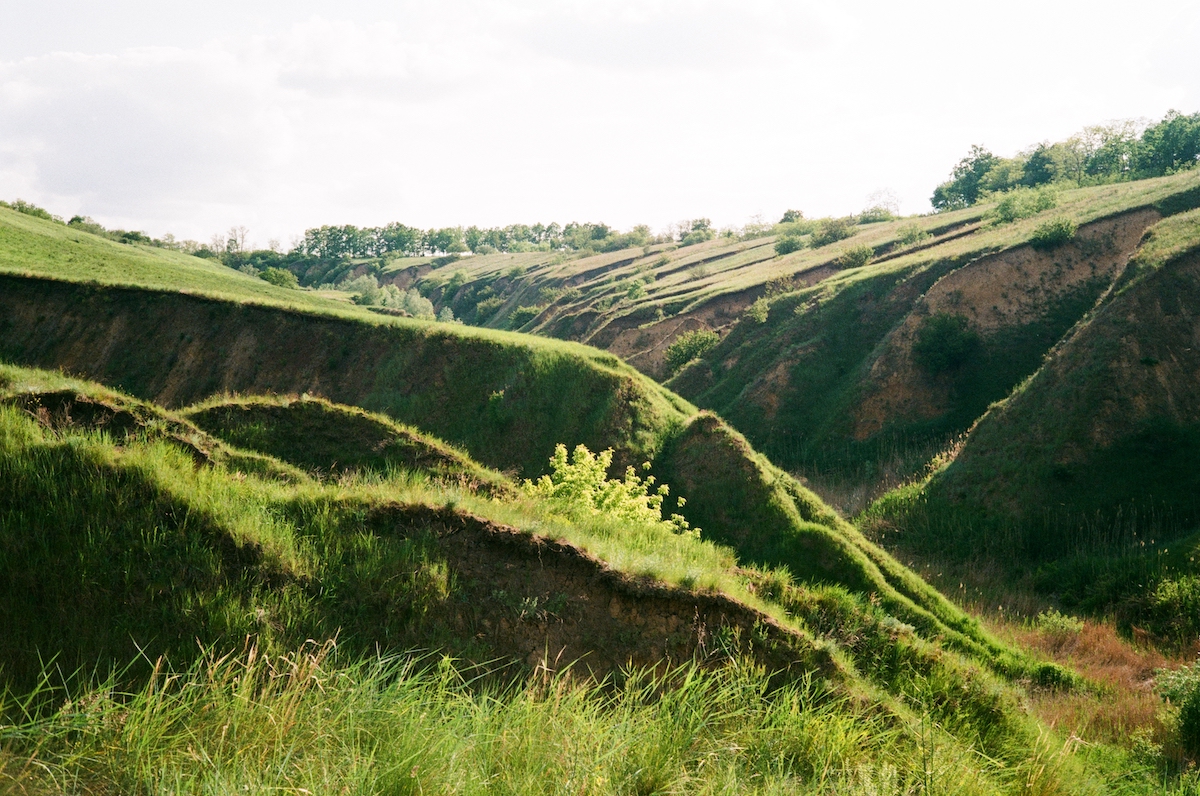
A few photos shot on the Rollei 35